

Personalization in Bingo: The Industry’s Leading Trend with Real Game Examples
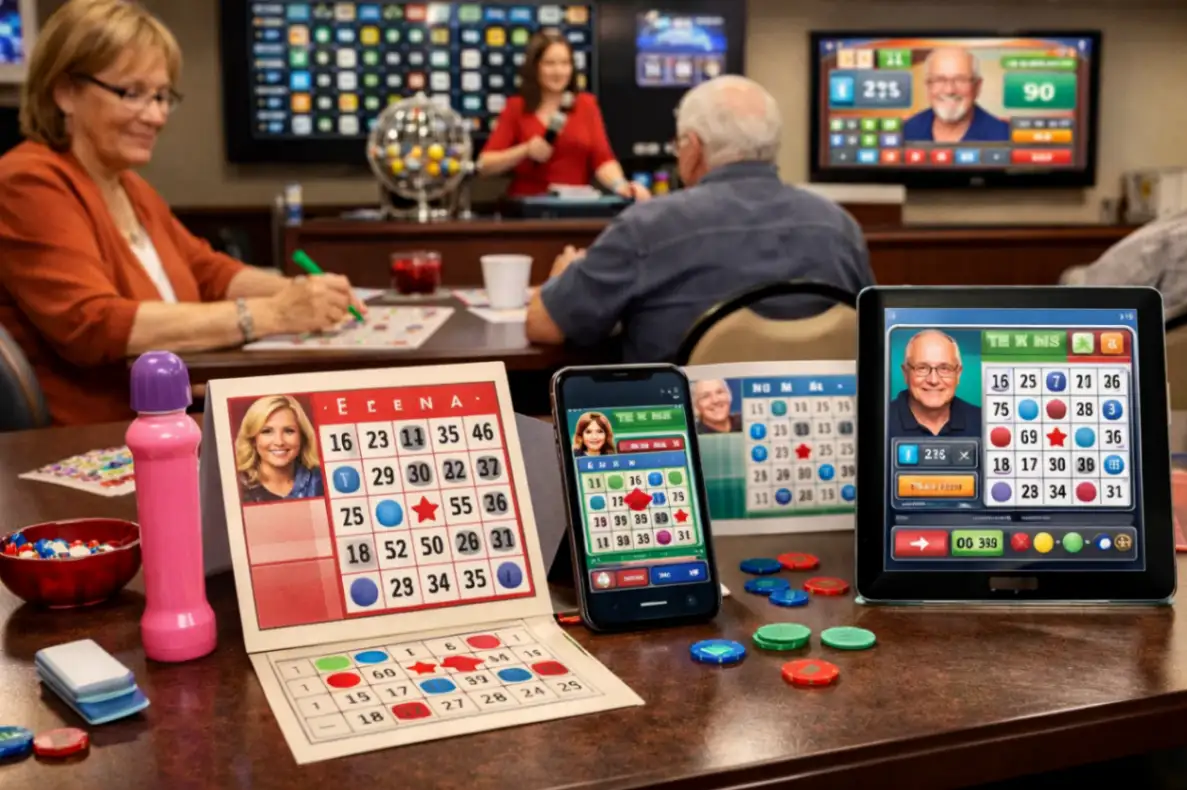
The online bingo industry has undergone a remarkable transformation in recent years, evolving from a simple numbers-based pastime into a highly engaging digital entertainment experience. One of the most influential forces behind this shift is personalization. Modern bingo platforms are no longer designed for a one-size-fits-all audience; instead, they adapt to individual player preferences, behaviors, and expectations.
Personalization in bingo is not just a feature—it has become a central strategy for operators looking to improve retention, engagement, and overall user satisfaction. By tailoring game mechanics, visuals, rewards, and communication, platforms are creating experiences that feel unique to each player. This article explores how personalization is reshaping the bingo industry, supported by real examples, technologies, and practical insights.
What Personalization Means in Online Bingo Platforms
Personalization in online bingo refers to the process of customizing the gaming experience for each individual player based on their preferences, habits, and interaction history. This can include everything from game recommendations and interface adjustments to tailored bonuses and social interactions.
At its core, personalization is about relevance. Players are more likely to stay engaged when the content they see aligns with their interests. In bingo, this could mean suggesting specific room types, adjusting ticket prices, or offering themed games that match a player’s taste.
Modern platforms collect data such as:
- Playing frequency and session duration.
- Preferred bingo formats (75-ball, 90-ball, speed bingo).
- Betting behavior and spending patterns.
- Interaction with chat rooms and community features.
This data is then processed using algorithms that deliver personalized experiences in real time. For example, a player who frequently joins fast-paced games may start seeing more speed bingo options prominently displayed on their dashboard.
Personalization also extends to communication. Email campaigns, push notifications, and in-game messages are now tailored to individual players. Instead of generic promotions, users receive offers that reflect their behavior, such as discounts on favorite game types or invitations to exclusive events.
This approach not only improves engagement but also builds a stronger emotional connection between the player and the platform. When users feel understood, they are more likely to return and remain loyal.
Types of Personalized Bingo Games and Features
The diversity of personalized bingo experiences continues to grow as platforms experiment with new formats and mechanics. These variations are designed to cater to different player profiles, from casual users to high-frequency participants.
Below is a table highlighting key types of personalized bingo features and how they function within modern platforms:
| Feature Type | Description | Example Implementation |
|---|---|---|
| Game Recommendations | Suggesting bingo rooms based on player history | Personalized lobby showing favorite formats |
| Dynamic Difficulty | Adjusting game speed or complexity | Faster rounds for experienced players |
| Themed Bingo Rooms | Custom themes based on interests | Movie-themed or holiday bingo rooms |
| Personalized Bonuses | Tailored rewards based on activity | Cashback for frequent players |
| Social Customization | Chat preferences and friend-based gameplay | Private rooms with friends |
| UI Personalization | Interface changes based on usage | Highlighting frequently used features |
These features are not isolated; they often work together to create a seamless experience. A player who enjoys themed bingo may receive recommendations for new themed rooms, along with bonuses specifically tied to those games.
The table illustrates how personalization operates on multiple levels, from gameplay mechanics to user interface design. This layered approach ensures that every interaction feels tailored, increasing both satisfaction and retention.
Key Benefits of Personalization for Bingo Players
Personalization delivers tangible benefits that go beyond convenience. It enhances the overall gaming experience by making it more intuitive, engaging, and rewarding. To understand its impact, it helps to look at the main advantages players experience:
- Improved game discovery through tailored recommendations.
- Faster access to preferred bingo rooms and formats.
- More relevant bonuses and promotions.
- Enhanced social interaction with like-minded players.
- Reduced time spent navigating the platform.
These benefits create a smoother and more enjoyable user journey. Instead of browsing through dozens of options, players are guided toward content that matches their interests. This reduces friction and keeps the focus on gameplay.
Another important aspect is emotional engagement. Personalized experiences feel more immersive because they reflect the player’s identity and preferences. A themed bingo room that aligns with a user’s favorite hobby can significantly enhance enjoyment.
There is also a practical advantage. Personalized bonuses often provide better value because they are aligned with actual playing habits. A player who frequently participates in evening sessions may receive time-specific rewards, making the offer more useful and appealing.
These elements combine to create a sense of loyalty. When players feel that a platform understands their needs, they are less likely to switch to competitors.
Real Examples of Personalized Bingo Games
Several online bingo platforms have already implemented advanced personalization strategies, offering a glimpse into the future of the industry. These examples demonstrate how theory translates into practice.
One common example is themed bingo games. Platforms often create rooms based on popular culture, such as music, movies, or seasonal events. A player who frequently joins music-themed rooms may receive notifications about new launches in that category, along with exclusive bonuses.
Another example is adaptive game speed. Some platforms analyze how quickly a player interacts with the game and adjust the pace accordingly. Experienced players may be offered faster rounds, while beginners are guided toward slower, more relaxed games.
Social personalization is also gaining traction. Many platforms allow users to create private bingo rooms with friends or join communities based on shared interests. This transforms bingo from a solitary activity into a social experience.
Reward systems provide another layer of personalization. Loyalty programs often track player behavior and offer rewards that match their preferences. For instance, a player who enjoys high-stakes games may receive higher-value bonuses, while casual players are offered smaller, more frequent rewards.
A notable trend is the use of avatars and customizable profiles. Players can personalize their in-game identity, which enhances immersion and encourages social interaction. Some platforms even adapt visual elements based on user preferences, such as color schemes or layout options.
These examples highlight how personalization is not limited to one aspect of the game. It influences everything from gameplay mechanics to community features, creating a cohesive and engaging experience.
Technologies Driving Personalization in Bingo
The rise of personalization in bingo would not be possible without advanced technologies. These tools enable platforms to collect, analyze, and act on large volumes of data in real time.
Artificial intelligence plays a central role. Machine learning algorithms analyze player behavior to identify patterns and predict preferences. This allows platforms to deliver accurate recommendations and dynamic content adjustments.
Big data infrastructure supports this process by handling vast amounts of information. Every interaction, from clicking on a game to participating in a chat, contributes to a detailed user profile.
Cloud computing ensures that personalization features are scalable and responsive. Platforms can update recommendations and offers instantly, even with thousands of active users.
Another important technology is behavioral analytics. This focuses on understanding how players interact with the platform, rather than just what they choose. For example, the system can detect whether a player prefers short sessions or extended gameplay and adjust the experience accordingly.
Gamification tools also contribute to personalization. Features such as missions, achievements, and leaderboards can be customized based on individual progress and preferences. This adds an extra layer of motivation and engagement.
Security and data privacy technologies are equally important. As platforms collect more personal data, they must ensure that it is handled responsibly. Transparent policies and secure systems are essential for maintaining player trust.
These technologies work together to create a dynamic environment where the game continuously adapts to the player. This level of responsiveness is what makes modern bingo platforms stand out.
The Future of Personalized Bingo Experiences
The future of bingo is closely tied to the continued development of personalization technologies. As tools become more sophisticated, the level of customization will increase, leading to even more immersive experiences.
One emerging trend is hyper-personalization. This goes beyond basic recommendations and involves real-time adaptation of nearly every aspect of the game. From visuals to sound effects, the entire environment could be tailored to individual preferences.
Virtual reality and augmented reality are also expected to play a role. These technologies can create fully immersive bingo environments where players interact in a virtual space. Personalization will be key in shaping these experiences, from avatar design to room themes.
Another direction is predictive engagement. Platforms will anticipate player needs before they are expressed. For example, the system might suggest a new game format just as a player begins to lose interest in their current routine.
Social features will continue to evolve, with more emphasis on community-driven experiences. Personalized matchmaking could connect players with similar interests, creating stronger social bonds.
Regulatory considerations will also influence the future. As personalization becomes more advanced, platforms will need to balance innovation with responsible gaming practices. Ensuring that personalization does not encourage excessive play will be a key challenge.
Despite these challenges, the trajectory is clear. Personalization will remain a central pillar of the bingo industry, driving innovation and shaping user expectations.
Conclusion
Personalization has transformed online bingo from a traditional game into a dynamic and engaging digital experience. By tailoring gameplay, rewards, and social features to individual players, platforms are creating environments that feel both relevant and immersive.
The integration of advanced technologies such as artificial intelligence and behavioral analytics has made it possible to deliver these experiences at scale. Real-world examples show that personalization is not just a trend but a fundamental shift in how bingo platforms operate.
As the industry continues to evolve, personalization will play an even greater role in defining the future of bingo. Players can expect more intuitive, engaging, and customized experiences that reflect their unique preferences.